ATX Heating & Air Conditioning LLC’s Guide to AC Installation in Manor TX Costs
Replacing an air conditioner is one of those household projects that combines emotional relief with sticker shock. In Manor TX, the summer heat makes a reliable system nonnegotiable. As someone who has overseen dozens of residential installs and walked homeowners through sticker shock, I will break down the true costs you should expect, what drives those numbers up or down, and how to make decisions that save money over the long run without sacrificing comfort.
Why this matters Manor sits in a climate that works a new AC hard. A wrong-sized unit or a low-quality install creates persistent problems: uneven cooling, high energy bills, premature breakdowns. When people search for "AC Repair in Manor TX" or "emergency AC repair near me", the root cause is often a poor installation or undersized equipment. Spending a bit more up front on the right unit and a professional install can cut repair calls and energy waste for years.
What goes into the price When a contractor gives you a quote, they are bundling several components. Most homeowners focus only on the sticker price for the outdoor condenser, but labor, materials, ductwork, permit fees, and diagnostic work all add up. Here are the major cost categories you will see reflected in any honest estimate:
- equipment cost: the actual outdoor condenser and indoor evaporator coil, sometimes bundled as a matched system; quality brands and higher efficiency ratings cost more.
- labor: removal of old equipment, installation of new unit, evacuation and charging of refrigerant, electrical hookup, and startup testing.
- modifications: refrigerant line sets, new electrical service or disconnects, pad replacement, and any sheet metal changes to the air handler or ducts.
- ductwork and airflow fixes: sealing, insulation, or duct reconfiguration to correct poor airflow or balance rooms.
- taxes, permits, and disposal: local permit fees and hauling away the old system.
- warranties and service contracts: extended or enhanced warranties will raise the initial price but can save money on repairs later.
Typical price range in Manor TX Local market conditions, supplier relationships, and brand mix affect prices. As a practical range for a complete replacement of a central split-system AC in a typical single-family home in Manor TX, expect the following ballpark:
- budget-level replacement (older homes, smaller tonnage, basic installer warranty): roughly $3,500 to $6,000.
- mid-tier systems with reputable brands and solid installation practices: roughly $6,000 to $10,000.
- high-efficiency systems, variable-speed compressors, or units requiring electrical upgrades or major ductwork: $10,000 to $18,000 or more.
Those ranges assume a standard 2 to 3.5 ton system for a 1,200 to 2,400 square foot house. Larger homes, custom ductwork, or homes needing a new air handler or furnace will push costs higher. If your home currently uses R-22 refrigerant and needs retrofitting to accept modern refrigerants, budget extra for coil and line set changes.
Sizing matters more than price One of the most common mistakes is choosing the biggest tonnage to "play it safe." An oversized system cools quickly but does not run long enough to dehumidify properly, leaving the house clammy and the system cycling excessively. Short cycling reduces comfort, increases wear, and harms efficiency.
A proper load calculation, typically a Manual J performed by a qualified technician, determines the correct capacity. Prices for a Manual J can be included in the installation estimate or charged separately; either way, demand one. I have seen two neighbors with identical square footage require different tonnages because of ceiling heights, attic insulation, and southwest-facing glass.
Efficiency ratings and operational cost trade-offs SEER, Seasonal Energy Efficiency Ratio, is the common efficiency measure. New federal standards have raised the baseline, but SEER still matters for your monthly bill. The higher the SEER, the less energy the unit uses to provide the same cooling, but higher SEER units cost more up front.
Think in terms of payback. In Manor’s hot climate, upgrading from a 13 SEER to a 16 SEER unit might save a measurable amount on annual energy costs. Expect higher-efficiency units to pay for themselves over several years, depending on usage and electricity rates. If your house runs the AC heavily, spending more on efficiency typically pays off sooner.
Brands, parts, and warranties Not all equipment is created equal. Reputable brands provide better compressor technology, sturdier coils, and longer parts warranties. More important than the brand name alone is a matched system: the outdoor unit, indoor coil, and air handler should be designed to work together. Installing a high-efficiency condenser on an old coil undermines performance.
Warranty reading matters. Many manufacturers offer 10-year parts warranties, but the labor to replace parts is separate. Ask whether the installer offers labor coverage and whether any extended warranty requires annual maintenance to remain valid. For peace of mind, a maintenance agreement covering annual tune-ups will protect both your warranty and your investment.
When the price will go up There are several legitimate reasons a quote will exceed the baseline estimates. Prepare to pay more if any of the following applies to your house:
- the home needs an electrical service upgrade to handle a modern condenser, often when the panel is 60 amps or older.
- the line set needs replacement or your home requires conversion from R-22 to R-410A compatible components.
- the duct system needs sealing, balancing, or enlargement to achieve proper airflow and efficiency.
- you choose add-ons such as zoning systems, UV air purifiers, or advanced thermostats.
- your property has difficult access or unusual installation constraints like a second-floor condenser location.
When a low quote is too good to be true Lowball estimates frequently mask cutting corners: mismatched components, undersized wiring, insufficient refrigerant charge, or omitted permit fees. The result is a higher chance of "AC Repair in Manor TX" calls in the first few summers. If a bid is substantially lower than others, ask for line-item detail. A transparent contractor will break out equipment, labor, materials, and permit costs.
Real-world anecdote: I once saw an install on a 1,800 square foot house where the homeowner accepted the lowest bid. The installer used a copper line set that was undersized and skipped the mandatory evacuation step to save time. The system worked initially but lost efficiency quickly and required emergency calls. The homeowner ended up paying more in repairs and a full replacement within five years.
How to evaluate installer competence A quality install is as important as the equipment. Beyond price, look for these signs of a trustworthy contractor: proper licensing and insurance, detailed written estimates, references and local reviews, and technicians who perform airflow and charge verification with instruments rather than "by ear." A pro will measure static pressure, check superheat and subcooling, and run a full start-up report.
Here are five questions to ask every installer before you sign:
- will you perform a Manual J load calculation and provide the results in writing?
- is the equipment a matched system, and will you replace the indoor coil if necessary?
- do you include refrigerant evacuation and proper charging procedures in the price?
- what warranties cover parts and labor, and do you offer maintenance packages?
- will you obtain the required permits and provide a final inspection?
Permits, inspections, and code compliance Local codes require permits for most HVAC replacements. Permits protect homeowners by ensuring installations meet safety and efficiency standards. A permit also matters for resale; buyers and lenders request documentation. Reputable contractors include permit costs in the estimate. If a contractor suggests skipping permits to save money, treat that as a red flag.
Timing and project flow A typical replacement from estimate acceptance to system startup often spans one to two weeks, depending on parts availability and permit processing. On-site work for a straight swap usually takes one to two days. When electrical upgrades, ductwork, or custom installations are necessary, plan for a longer timeline. If you search for "emergency AC repair near me" during a heat wave, lead times for installations and parts can extend as many contractors are busy handling urgent repairs.
Financing and incentives Many homeowners prefer financing to spread the upfront cost. Installers frequently partner with finance affordable AC repair Manor companies offering options from no-interest promotional periods to fixed-term loans. Compare APRs and total cost over the loan term. Also check for manufacturer rebates and utility incentives for high-efficiency systems. In Central Texas, occasional seasonal rebates reduce initial cost, but they change frequently, so ask your contractor to check current offers when they give your quote.
Why maintenance matters for long-term cost A new install only stays new with proper upkeep. Annual maintenance keeps coils clean, checks refrigerant levels, inspects electrical connections, and confirms proper airflow. Small issues caught on a seasonal tune-up prevent mid-summer emergency calls and extend compressor life. A properly maintained system can run 10 to 15 years or longer. Without care, your odds of needing "AC Repair in Manor TX" and "emergency AC repair near me" spikes.
Balancing immediate cost and lifetime value Picking the cheapest option and accepting a bare-bones install might feel smart in the short term, but the real question is lifetime cost. Factor in estimated annual energy savings from higher SEER, likely repair frequency, and expected lifespan. A mid-tier install that costs 15 to 20 percent more up front but reduces annual energy use and repair calls will usually win on lifetime cost.
A trade-off scenario: if you live alone in a small house and plan to move in three to four years, a budget replacement might be appropriate. If you plan to stay, invest in quality equipment, correct sizing, and a competent install crew.
How ATX Heating & Air Conditioning LLC approaches installs When I evaluate a home for ATX Heating & Air Conditioning LLC, the focus is on fit and durability. We start with a load calculation, inspect ducts, and identify any electrical or access issues. Our goal is to deliver predictable performance, so quotes list all major components and options. We avoid skimping on evacuation and charge verification. We also explain trade-offs like when a new coil is necessary versus when the existing coil is acceptable.
Common surprises homeowners encounter Some surprises are easy to plan for: an old electrical panel needing a 60 amp disconnect, or a slab where the condenser pad can't be placed without concrete work. Less obvious surprises include poor duct design that requires balancing dampers or sealing. In older Manor homes, attics without adequate insulation or with compromised duct runs are common. Addressing these issues raises the initial cost but improves comfort and reduces energy use dramatically.
How to prepare for the contractor's visit Before the installer arrives, clear the area around the outdoor unit and ensure easy access to the indoor unit and attic. Have your utility bills handy; they help us estimate potential savings from a more efficient system. If you plan to finance, have pre-approval or discuss options during the estimate meeting. During the estimate, take notes and ask the five questions listed above.
What to expect on install day A emergency AC repair near me proper installation is methodical. The crew will disconnect and remove the old system, carefully set the new condenser on a level pad, run new line sets if required, connect electrical, and replace or verify the indoor coil. They will evacuate the lines to remove moisture and air before charging with the correct refrigerant. Finally, they test electrical draw, airflow, and temperature split across the coil, then demonstrate system operation to you.
Post-install follow-up Good contractors provide a startup report and explain routine maintenance. If you notice uneven cooling, strange noises, or higher than expected bills in the weeks after installation, contact your installer promptly. Many issues can be corrected quickly, and responsible contractors will stand behind their work.
When to call for emergency service If your system is blowing warm air in a heat spike, tripping breakers at startup, making grinding noises, or leaking refrigerant, search for "emergency AC repair near me" and call a trusted local company. Quick action can prevent compressor damage, which is one of the costliest failures.
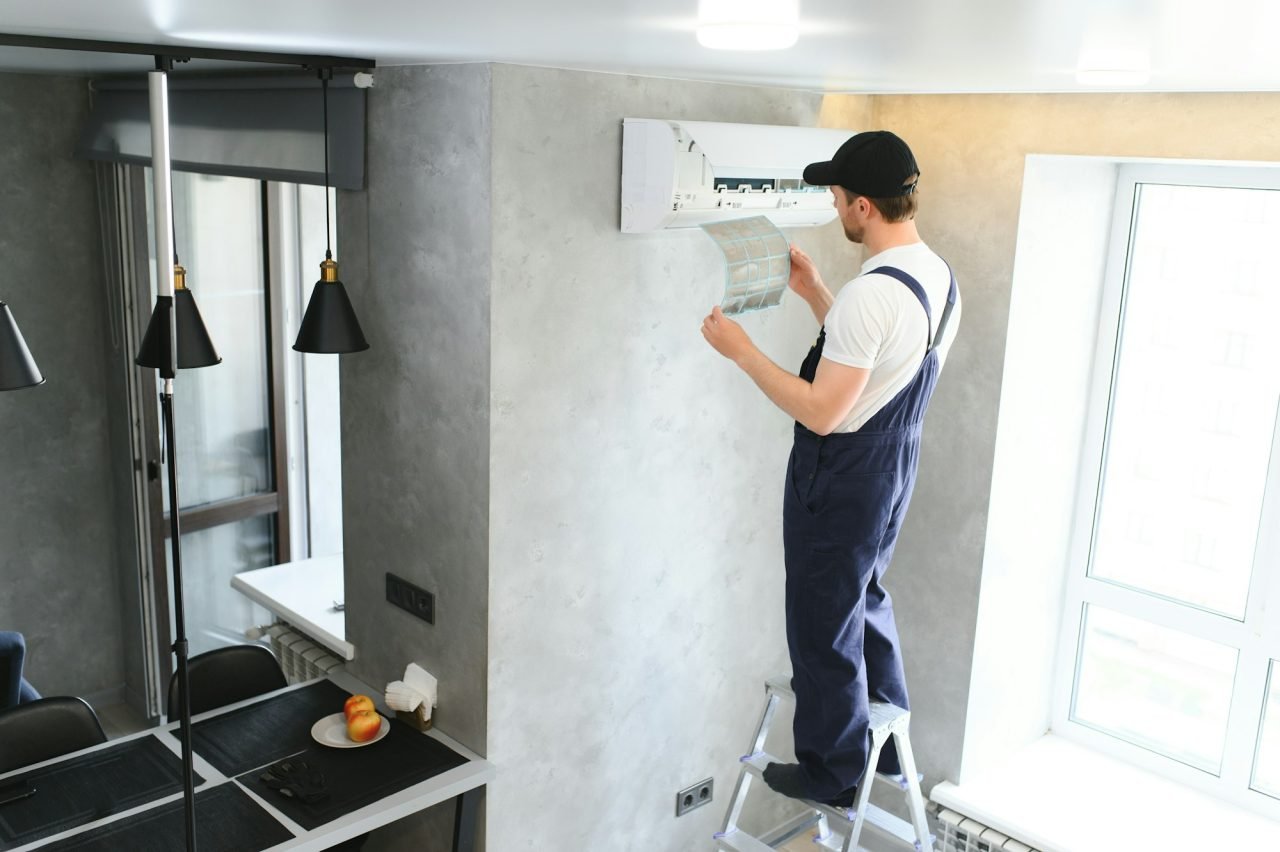
Final judgment: making a confident choice Replace an AC with a focus on long-term value, not the lowest bid. Demand a load calculation, insist on matched components, and choose a contractor who documents their work. A well-sized, properly installed system reduces the frequency of AC Repair in Manor TX calls and the need to locate emergency help when the heat arrives.
If you want, we can schedule a site visit to perform a load calculation and provide a detailed, written estimate tailored to your home. At ATX Heating & Air Conditioning LLC, the aim is to give you durable comfort, predictable operating costs, and fewer surprises.
ATX Heating & Air Conditioning
13809 Theodore Roosevelt St., Manor, TX - 78653
(737) 406-8083
[email protected]
Website: https://atxheatingandac.com/